Tutto davvero eccellente, dal sapore della pizza con prodotti di qualità, al servizio ai tavoli, personale cordiale, gentile e disponibile. Ci tornerò sicuramente, e lo consiglio.....
Overview
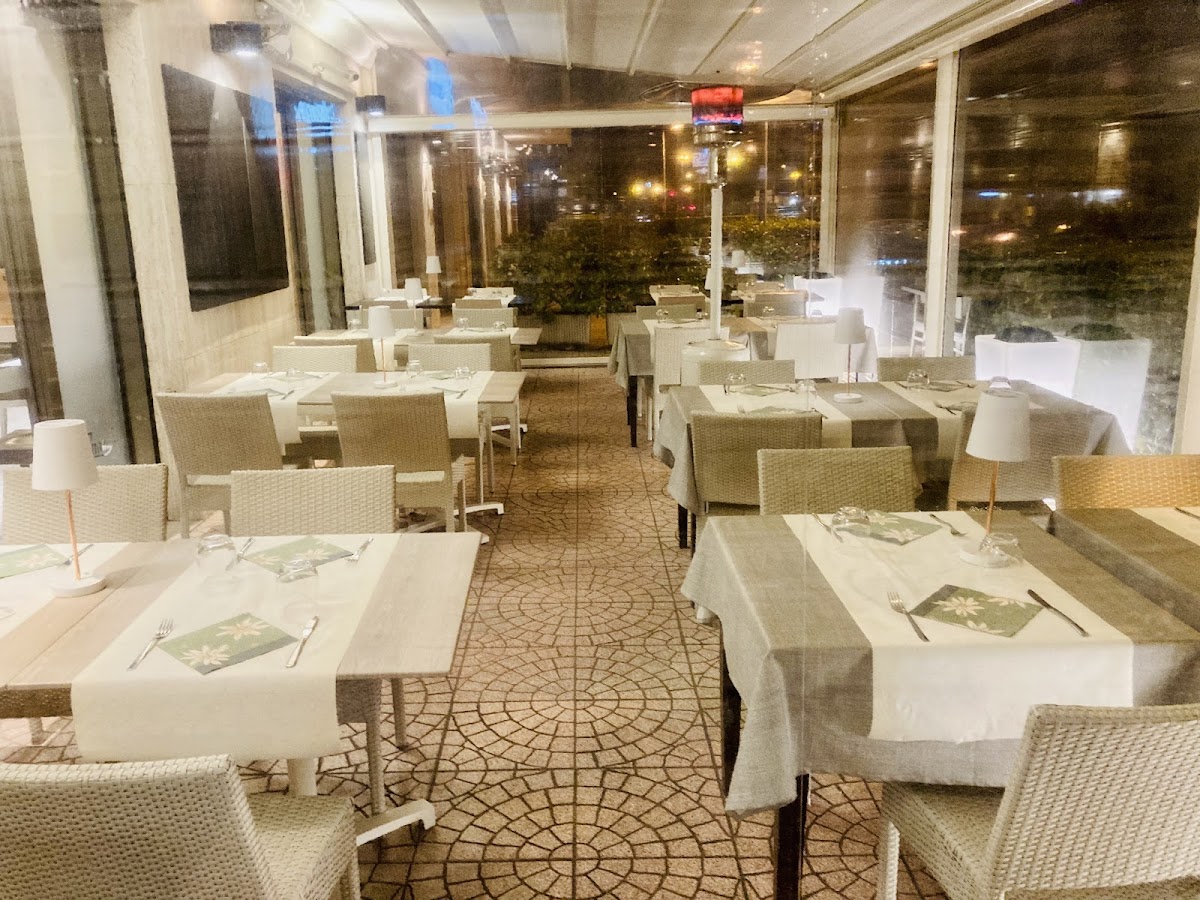
If you ever find yourself wandering through Via Giuseppe Mandara, 85, 71122 Foggia FG, Italy, follow the scent of freshly baked bread and slow-simmered sauces and you’ll land right at Il Granaio. I still remember my first visit: it was a warm evening in Foggia, and locals were gathered outside, chatting over glasses of house wine. The atmosphere felt lived-in and genuine, not staged for tourists but rooted in everyday Italian life.
Inside, the space strikes a balance between rustic charm and understated elegance. Think exposed brick, wooden beams, and tables set simply but thoughtfully. It’s the kind of place where the menu doesn’t try to impress with complicated wording. Instead, it lets seasonal ingredients and regional tradition do the talking. That approach reflects a broader truth about Italian cuisine. According to data from organizations like the Italian National Institute of Statistics (ISTAT), regional food traditions remain one of the strongest cultural identifiers across the country. Restaurants that stick to local sourcing and traditional methods often outperform trend-driven spots in customer satisfaction and repeat visits.
On my second visit, I paid closer attention to how dishes were prepared. I watched the staff move seamlessly between the kitchen and dining area. The pasta, for instance, is clearly made following time-honored methods. You can taste the difference in texture: al dente in the truest sense, not undercooked but firm enough to hold the sauce beautifully. A classic orecchiette with tomato and ricotta salata stood out for its balance. The tomatoes tasted sun-ripened, sweet but slightly acidic, layered with good olive oil and fresh basil. It wasn’t flashy. It was precise. And that precision is what defines quality Italian cooking.
The menu leans into Apulian specialties, which makes sense given the Foggia location. You’ll find grilled meats, fresh seafood when available, and a thoughtful wine list that highlights regional producers. Italy is home to more than 350 officially recognized grape varieties, according to the International Organisation of Vine and Wine. Here, the staff can guide you through options without making it feel like a lecture. When I asked for a pairing, the server recommended a local Nero di Troia. The result? A rich, slightly spicy red that elevated the grilled lamb perfectly.
Customer reviews often mention the consistency, and after multiple visits, I understand why. In the restaurant industry, consistency is everything. A 2023 hospitality study published by Deloitte noted that repeat customers are primarily driven by reliable quality and service rather than novelty. At Il Granaio, the dishes I tried months apart tasted just as good. That reliability builds trust, and trust builds reputation.
Service here deserves a separate mention. It’s warm without being intrusive. During one busy Saturday night, I noticed how the staff handled a large group celebration. Orders were delivered accurately, dietary preferences were respected, and no one at the table felt overlooked. Managing that level of coordination requires training and experience, especially in a mid-sized dining room. It’s a subtle detail, but it speaks volumes about how the restaurant operates behind the scenes.
Another detail I appreciated was the pacing of the meal. In Italy, dining is meant to be savored. Courses arrive with enough time in between to talk, relax, and enjoy the setting. There’s no rush to turn tables quickly. That slower rhythm enhances the entire experience and reflects authentic local dining culture rather than a rushed, commercial model.
Of course, like any popular spot, peak hours can mean waiting for a table, especially on weekends. Reservations are a smart move. Parking in the area can also require a bit of patience, depending on the time of day. Still, these minor inconveniences feel small compared to the overall experience.
Between its well-curated menu, strategic Foggia location, and steady stream of positive reviews, Il Granaio stands out as a reliable address for anyone seeking real Apulian flavors. It’s not about reinventing Italian cuisine. It’s about honoring it, plate by plate, with confidence and care.
Good to know
Service options
✓ Outdoor seating ✓ Takeaway ✓ Dine-in ✓ DeliveryHighlights
✓ Great beer selection ✓ Great coffee ✓ Great dessert ✓ Great wine listPopular for
✓ Dinner ✓ Solo diningAccessibility
✓ Wheelchair-accessible car park ✓ Wheelchair-accessible entrance ✓ Wheelchair-accessible seating ✓ Wheelchair-accessible toiletOfferings
✓ Alcohol ✓ Beer ✓ Cocktails ✓ Coffee ✓ Healthy options ✓ Late-night food ✓ Spirits ✓ Vegan options ✓ Vegetarian options ✓ WineDining options
✓ Dinner ✓ Dessert ✓ Seating ✓ Table serviceAmenities
✓ ToiletAtmosphere
✓ Casual ✓ Cosy ✓ Quiet ✓ TrendyCrowd
✓ Groups ✓ TouristsPlanning
✓ Dinner reservations recommended ✓ Accepts reservations ✓ Usually a waitPayments
✓ Credit cards ✓ Debit cards ✓ NFC mobile payments ✓ Credit cardsChildren
✓ Good for kids ✓ Good for kids birthday ✓ High chairs ✓ Kids' menuParking
✓ Free of charge street parking ✓ Free parking lot ✓ ParkingPets
✓ Dogs allowedPhotos
1 / 4
Location
Reviews
- No ratings yet 915 reviews
Ristorante e pizzeria di buon livello, rapporto qualità prezzo devo dire ottimo, con possibilità di consumare sia all’interno del locale che nell’ ampio spazio esterno ( ben curato). Le pizze sono davvero gustose e ben fatte, ampia scelta di birre in bottiglia e alla spina, dolci molto buoni Ottima anche la ristorazione, buone le materie prime, antipasti sfiziosi e primi e secondi a base di pesce Tempi di attesa un po’ lunghi x la pizza d’asporto.. ( specie nel fine settimana)
Cibo ottimo Servizio anche, mi scuso se dico ciò, ma riprendere un cameriere davanti ai clienti non mi piaciuto affatto, poi per un bicchiere rotto, anche se giovanissimo, Un'altra cosa che non ho gradito, che un locale così conosciuto, era sprovvisto di aria condizionata, spingendo i clienti ad accomodarsi fuori sul marciapiede esterno..... Non accetto nessun tipo di scusa! 5 pizze, 5 acqua, 1 coca piccola, 3 patatine e 5 dolci della casa, molto buone ma il tutto € 135, magari c'è da ritoccare qualcosa?..... Buon lavoro e buona festività di ferragosto.... Ci rivediamo!